
First insights into the DACHSER platform
DACHSER is transferring its range of logistics services to the digital world. As a company-wide digitalization project, the DACHSER platform is a central building block for fundamentally redesigning the customer experience. At the transport logistic trade fair, customers and interested parties were given their first glimpse of the platform, which will be available to all DACHSER customers from 2024.
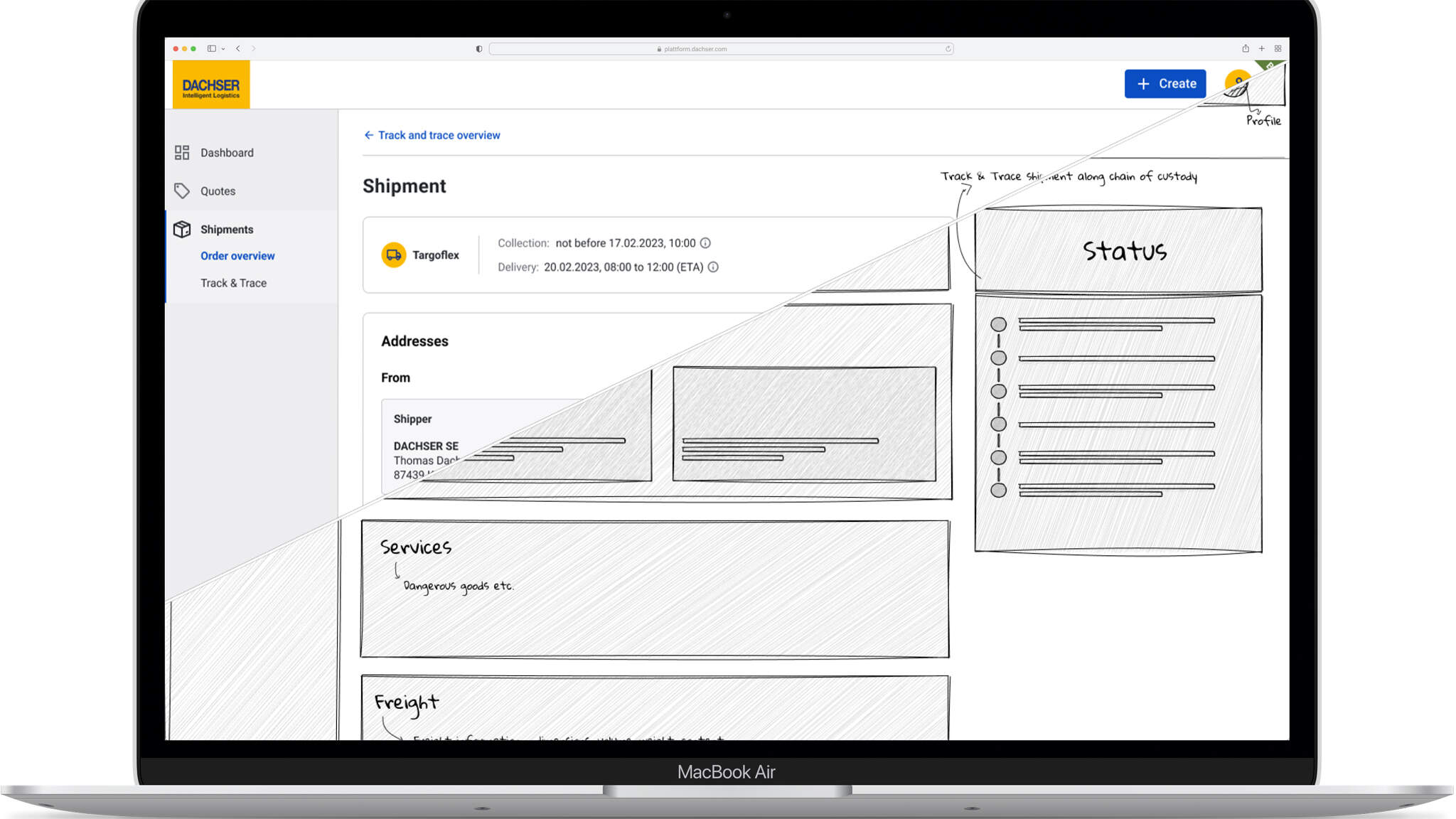
For many years, DACHSER has been developing software and systems in-house that are tailored entirely to the needs of its customers. The DACHSER platform is a logical continuation of this philosophy. The platform is currently being developed in an agile project setup, i.e. in direct exchange with selected pilot customers.
Transparent one-stop solution
The DACHSER platform brings together the services of the Road Logistics and Air & Sea Logistics business fields in a user-friendly, modern interface. Supplemented by innovations such as end-to-end tracking across all freight routes, this creates a customized, digital one-stop solution for customers. DACHSER is thus taking a major step toward completely transparent flows of goods and data, especially with regards to intercontinental transports using different modes of transport.
The DACHSER platform is developed iteratively and in direct exchange with customers.
Product development is taking place within iterative testing and development phases. Since the start of the project, intensive research phases have been used to query customer needs and obtain feedback on product designs. Since April 2023, pilot customers have already been working with a first version of the platform. All research results are always incorporated into the subsequent development phase. This way of thinking and working is an expression of an agile, digital mindset that DACHSER is promoting throughout the company as part of its digitization strategy.
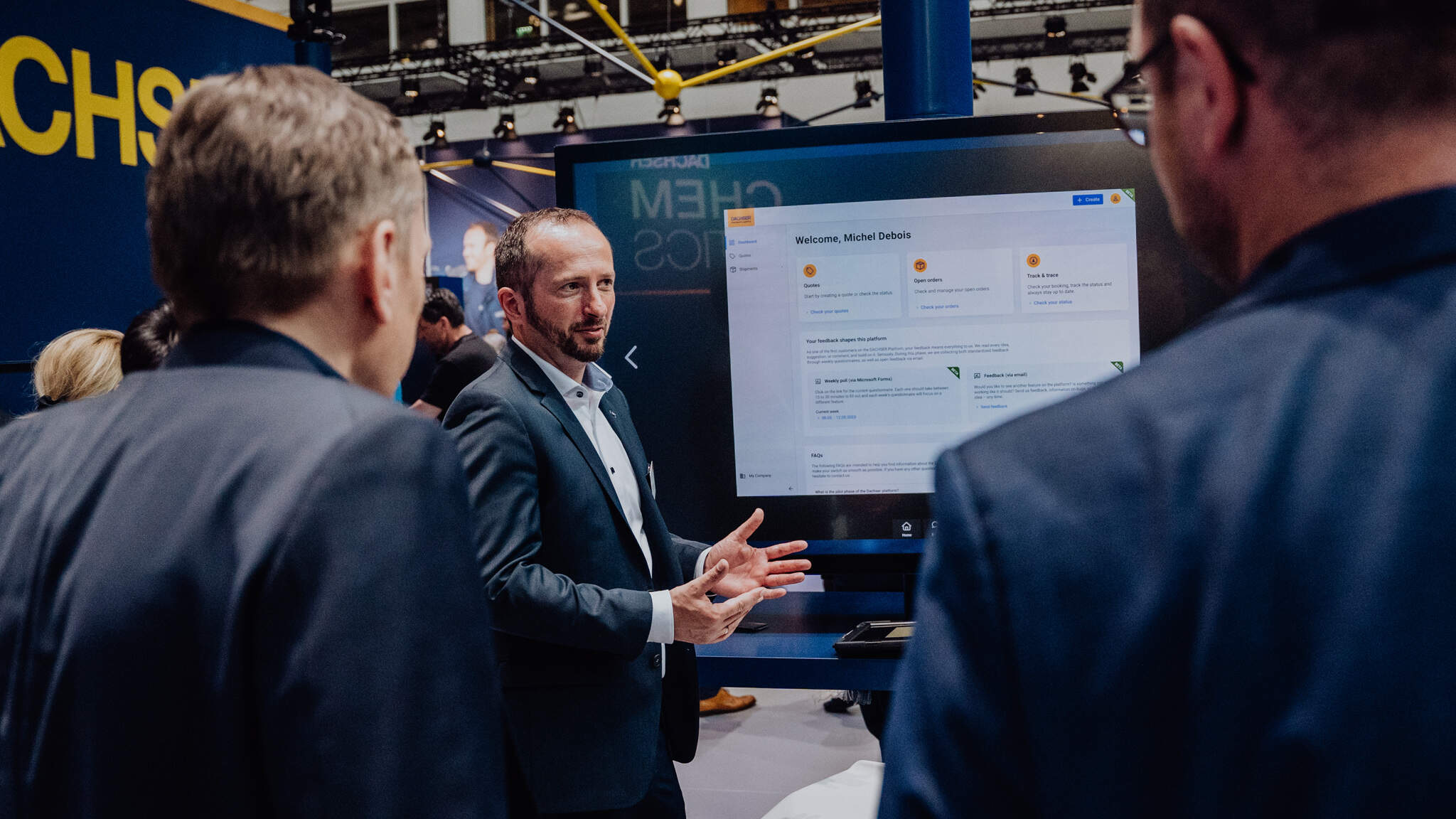
Highlight at transport logistic 2023
Insights into the new platform were offered for the first time at the leading transport logistic trade fair in Munich. DACHSER customers, interested parties, and the media were able to learn about the project's vision, development, and timeline roadmap on interactive screens.
Bookmark article